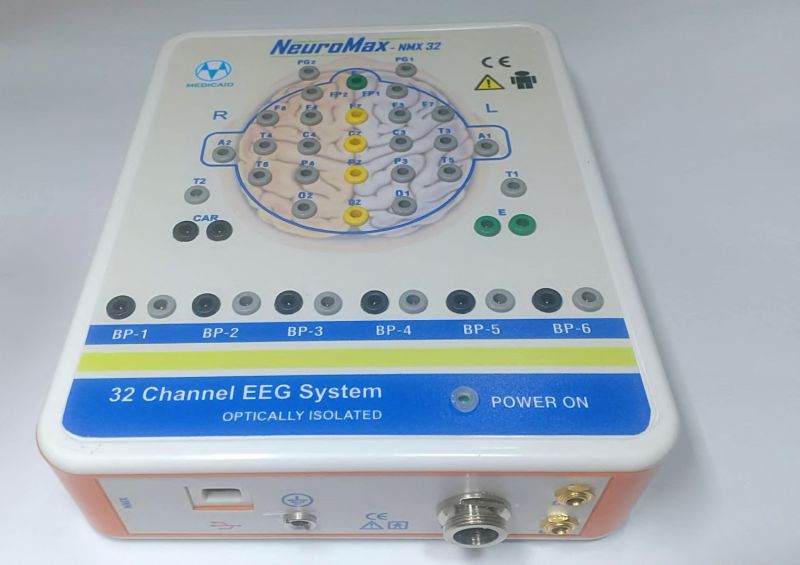
Video EEG vs Routine EEG: Differences and When You Need Each
Video EEG vs routine EEG explained — what synchronized video adds, when clinicians order it, equipment needed and cost differences for hospitals setting up EEG services.
Read articlePractical guides on EEG, EMG, rTMS, ECT, tDCS, biofeedback, PFT, ECG and physiology equipment. They cover prices, how the machines work, buying checklists and clinical uses.
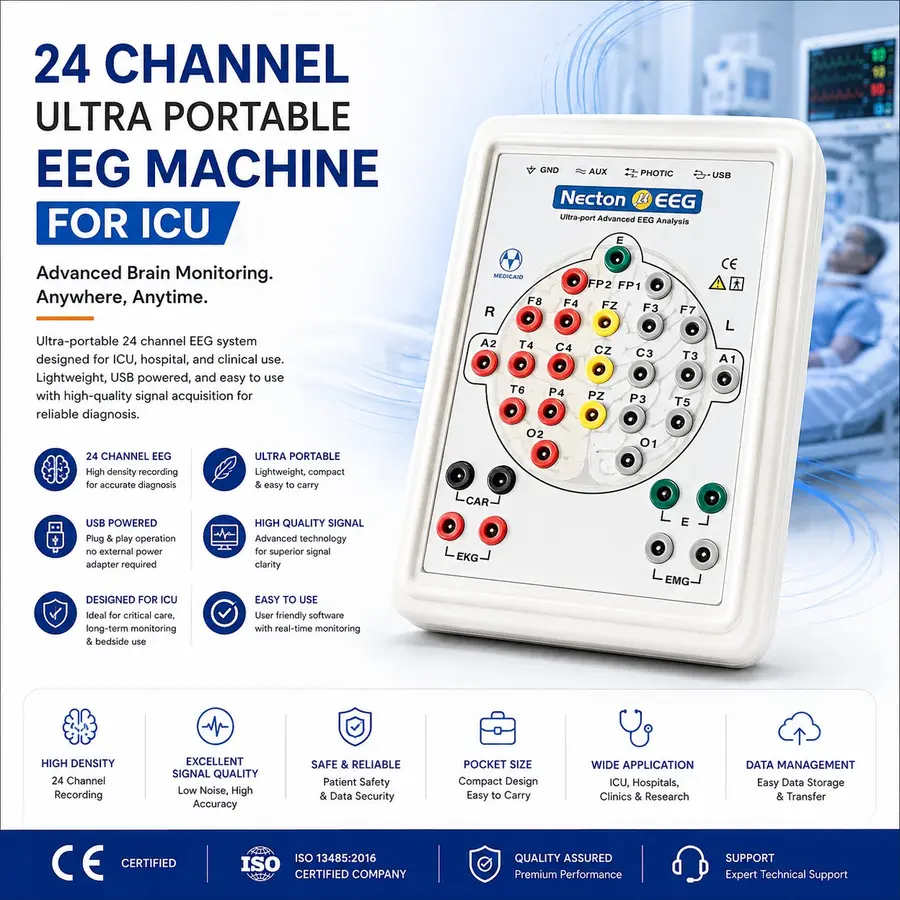
Video EEG vs routine EEG explained — what synchronized video adds, when clinicians order it, equipment needed and cost differences for hospitals setting up EEG services.
Read article

What an EEG machine is, how it records brain activity, the main types (routine, ambulatory, video, high-density) and its clinical uses in epilepsy, encephalopathy, sleep and ICU care.
Read article
Biofeedback therapy explained — how real-time physiological feedback teaches self-regulation, types (GSR, EMG, EEG, HRV, respiration, temperature) and clinical uses.
Read article
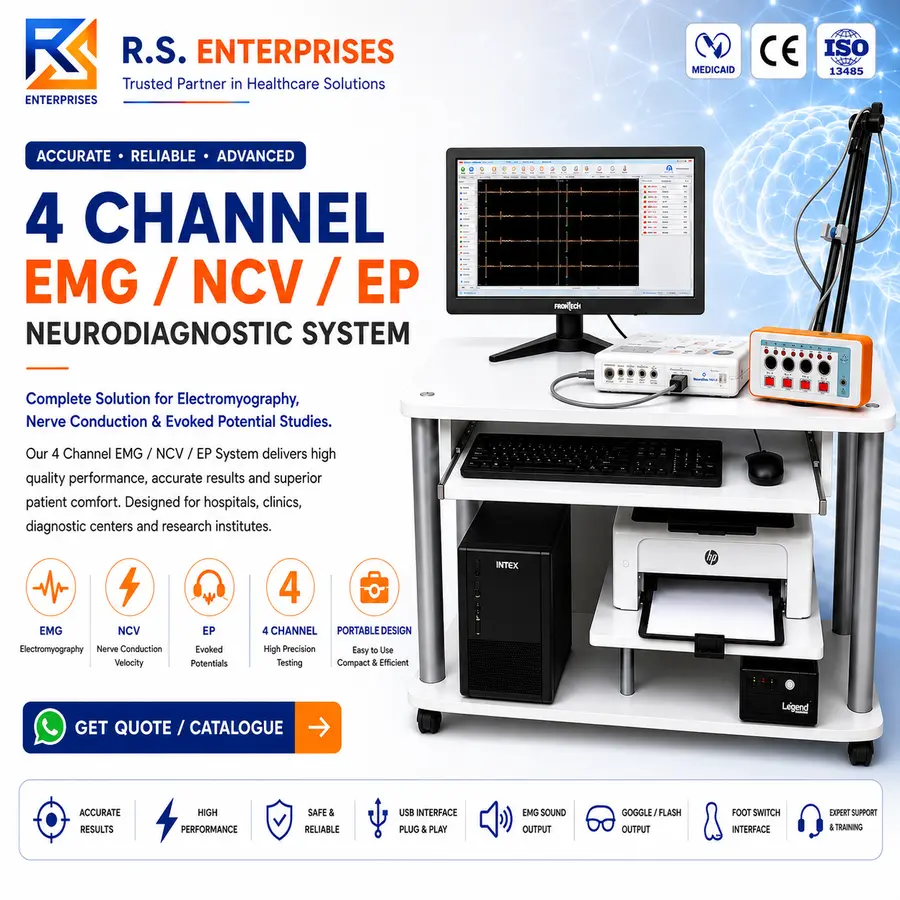
What EMG, nerve conduction velocity (NCV) and evoked potential (EP) tests are, what they diagnose, how they are performed and what equipment a neurophysiology lab needs.
Read article
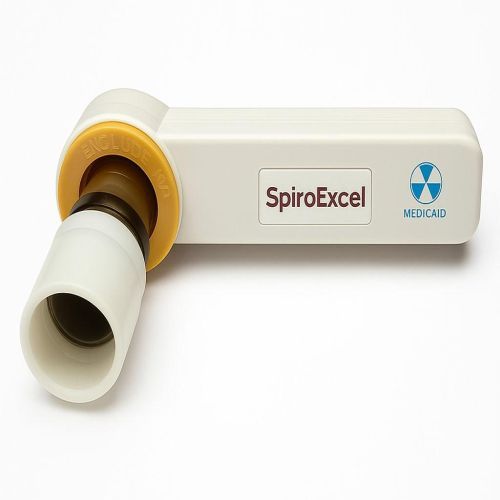
Pulmonary function tests explained — spirometry, lung volumes, diffusion capacity — what each measures, when doctors order PFTs and how patients should prepare.
Read article
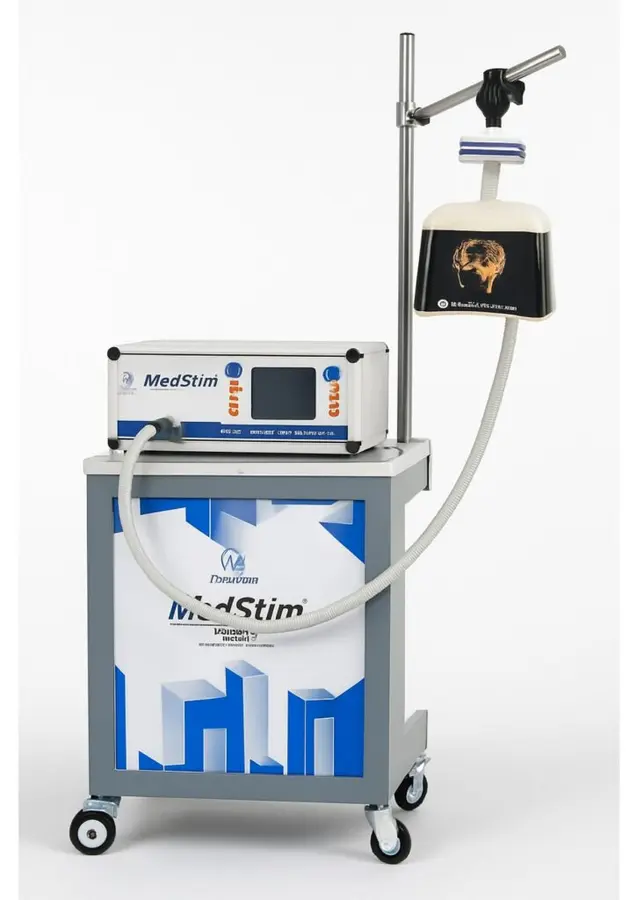
rTMS explained — how magnetic pulses stimulate the brain, what a session involves, which conditions it treats, side effects and why it is growing in Indian psychiatry.
Read article
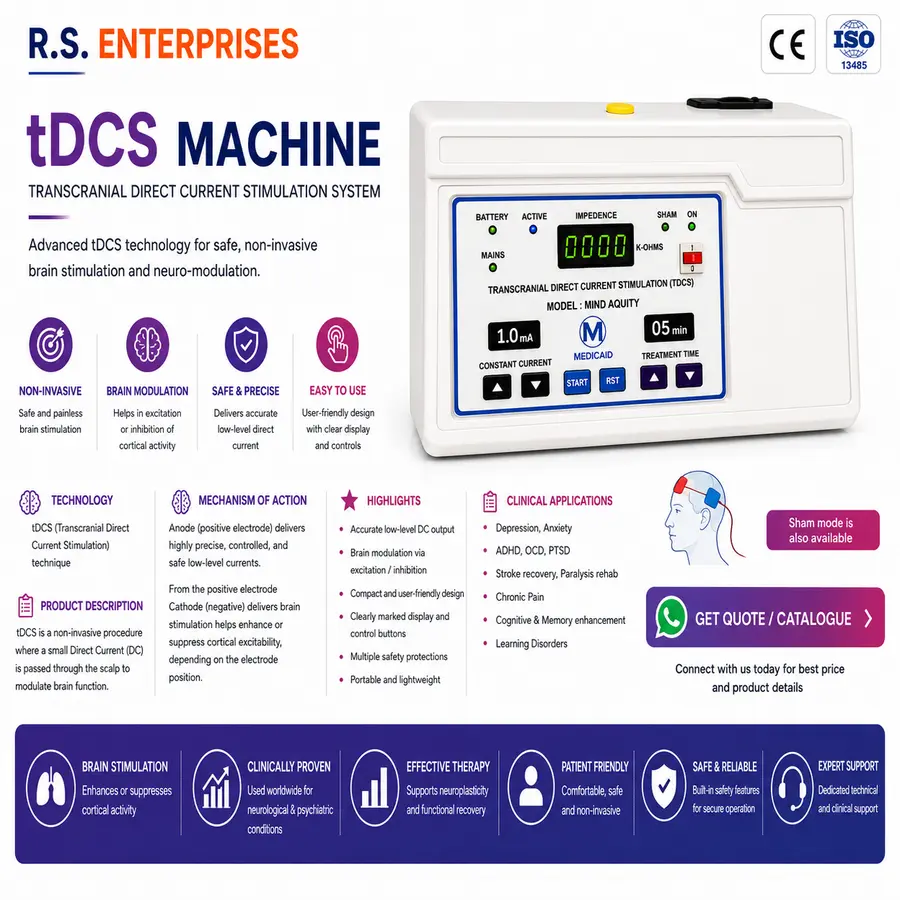
tDCS explained — how a weak direct current modulates brain excitability, anodal vs cathodal stimulation, typical protocols, uses in psychiatry, neurology and research, and safety.
Read articleSpeak to our regional consultant for model selection, pricing, GeM/tender documents and installation schedules.