
What Is rTMS Therapy? How Repetitive Transcranial Magnetic Stimulation Works
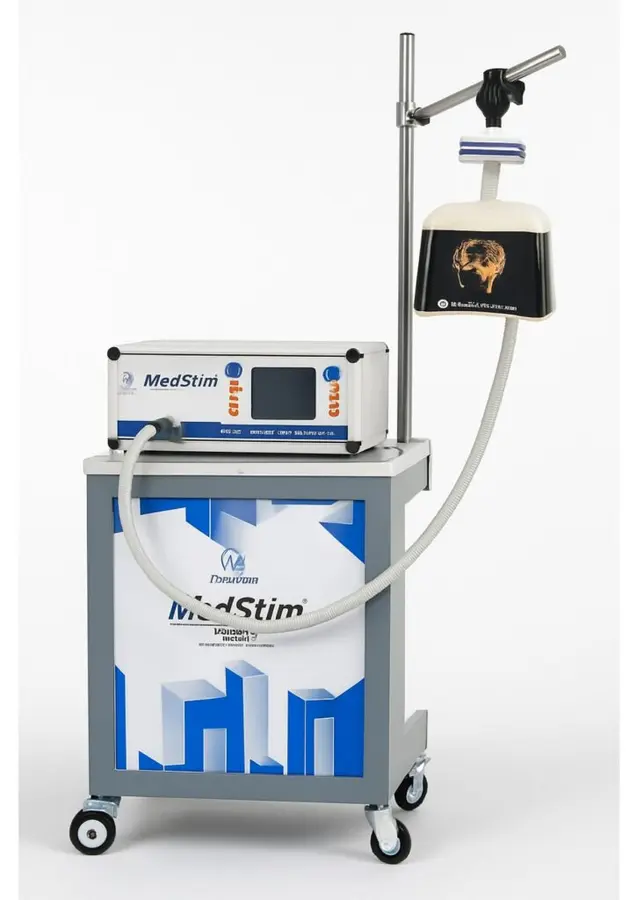
Repetitive transcranial magnetic stimulation (rTMS) is a non-invasive brain stimulation treatment that has become an established option in psychiatry, especially for depression that has not responded to medication.
How rTMS works
An electrical current passes through a coil held against the scalp and creates a brief, powerful magnetic field. The field passes painlessly through the skull and induces a small electrical current in the cortex beneath the coil. Repeated pulses change the activity of the targeted region and its connected networks.
- High-frequency stimulation (e.g., 10 Hz) generally increases cortical excitability.
- Low-frequency stimulation (around 1 Hz) generally decreases it.
- Theta Burst Stimulation delivers patterned bursts in much shorter sessions. See Theta Burst explained.
What a session involves
- Motor threshold mapping at the first visit to set the dose. See our motor threshold guide.
- The patient sits awake in a comfortable chair.
- The coil is positioned over the target, commonly the left dorsolateral prefrontal cortex for depression.
- Pulses are delivered for a few minutes (Theta Burst) or longer (standard protocols).
- The patient returns to normal activities.
Conditions treated
- Major depressive disorder and treatment-resistant depression.
- Obsessive compulsive disorder (with specific protocols and coils).
- Research and clinical use in schizophrenia (negative symptoms, auditory hallucinations), addiction, chronic pain and stroke rehabilitation.
Read rTMS for depression and OCD.
Side effects
The most common are scalp discomfort and headache, which usually lessen over the course of treatment. Seizures are rare and risk is minimised by screening and protocol guidelines. See rTMS safety and contraindications.
rTMS vs medication and ECT
rTMS does not cause the systemic side effects of medication and does not need the anaesthesia ECT requires. ECT is still the most effective option for some severe presentations. See rTMS vs ECT.
Equipment
Clinics in India commonly use systems like the MEDSTIM MS-50 and MS-100, which offer Theta Burst, protocol libraries and safety monitoring.
rTMS Machine MS-100
Flagship rTMS — up to 100 pps, H-coil and double-cone support. ₹20 lakh – ₹24 lakh
Frequently Asked Questions
Does rTMS hurt?
Most patients feel tapping on the scalp; some have mild headache or scalp discomfort that usually eases.
How many sessions are needed?
Typical depression courses involve daily weekday sessions over several weeks; exact plans are set by the psychiatrist.
Can I drive after rTMS?
Generally yes, as no sedation is used — follow your doctor’s advice.
This article is for general information for healthcare buyers and professionals and is not medical advice. Clinical decisions should be made by qualified practitioners.


