
rTMS for Depression and OCD: Protocols, Evidence and Practice
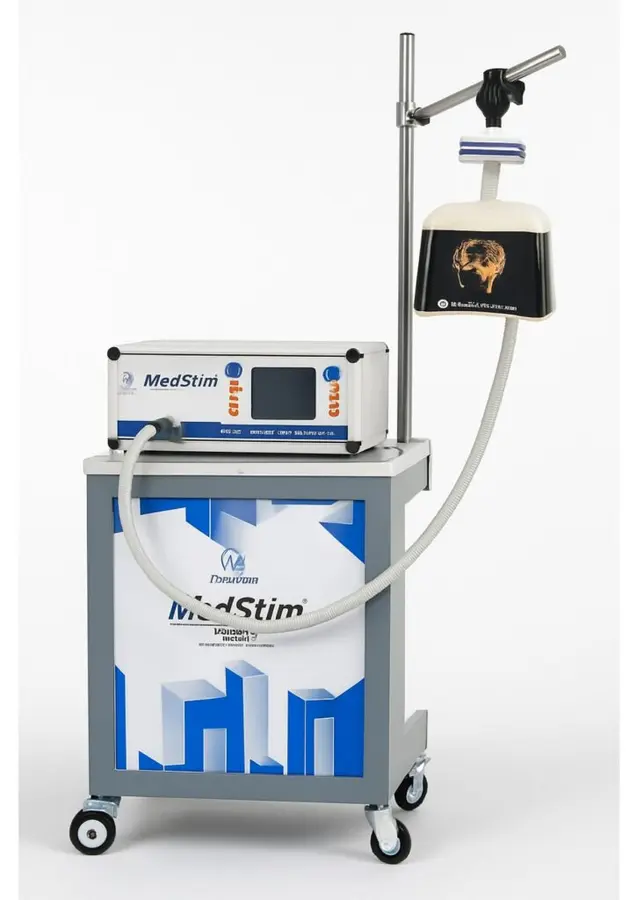
Depression and OCD are the two indications where rTMS has the strongest regulatory and clinical backing. Here is how clinics typically deliver it.
rTMS for depression
Regulatory status. In the United States, rTMS for major depression was first cleared in 2008, and intermittent Theta Burst Stimulation (iTBS) was cleared in 2018. It is widely used in India and many other countries.
Target. The left dorsolateral prefrontal cortex (DLPFC), located with scalp measurement methods or neuronavigation.
Common protocols
- High-frequency (10 Hz) left DLPFC, typically at 120% of the resting motor threshold.
- Intermittent Theta Burst (iTBS), with very short sessions of only a few minutes.
- Low-frequency right DLPFC, an alternative for some patients.
Course. Usually one session per weekday for around four to six weeks, adjusted to response.
rTMS for OCD
Regulatory status. Deep TMS for OCD was cleared in the United States in 2018.
Targets. The medial prefrontal and anterior cingulate cortex with deep coils, or other targets such as the supplementary motor area or orbitofrontal cortex in some protocols.
Practice tip. Symptom provocation before sessions is used in some deep-TMS protocols.
Measuring outcomes
Use validated scales at baseline, mid-course and the end of treatment (e.g., HAM-D, MADRS or PHQ-9 for depression; Y-BOCS for OCD). Good documentation supports clinical decisions and referrals.
Equipment considerations
- Theta Burst capability shortens sessions and increases daily capacity.
- Stimulation rate. The MS-100 reaches 100 pps; the MS-50 reaches 50 pps.
- Coil options. Deep coils (H-coil, double cone) for OCD and deeper targets. See the coil guide.
- Protocol library for consistent delivery.
Clinical governance
Screen every patient, take informed consent, train staff on seizure first aid and keep session logs.
Want to start or expand rTMS services? Read our guide to starting an rTMS clinic in India.
rTMS Machine MS-100
Flagship rTMS — up to 100 pps, H-coil and double-cone support. ₹20 lakh – ₹24 lakh
Frequently Asked Questions
When is rTMS considered for depression?
Commonly when depression has not responded adequately to antidepressants or medication is poorly tolerated, as decided by a psychiatrist.
Do patients continue medication during rTMS?
Often yes, under psychiatric supervision.
Is maintenance rTMS used?
Some clinics offer maintenance or booster sessions based on clinical response.
This article is for general information for healthcare buyers and professionals and is not medical advice. Clinical decisions should be made by qualified practitioners.


