Pulmonology
Spirometry in Pre-Operative Assessment: When and Why
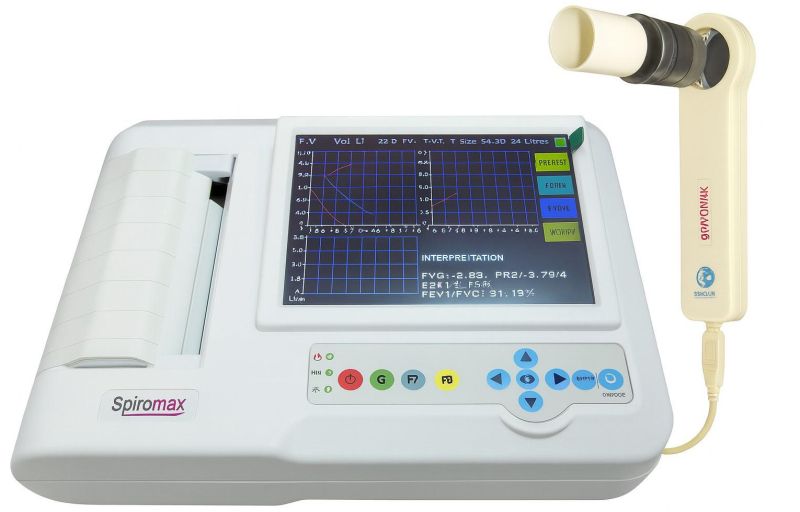
Pre-operative spirometry helps anaesthetists and surgeons understand respiratory reserve and optimise patients before surgery.
Who benefits from pre-op spirometry?
- Patients with known asthma, COPD or interstitial lung disease.
- Unexplained breathlessness or chronic cough.
- Heavy smokers with symptoms.
- Candidates for lung resection, where spirometry and diffusion testing are central.
- Some upper abdominal and thoracic surgeries, at the clinician’s discretion.
What results tell the team
- Obstruction may prompt bronchodilator optimisation before surgery.
- Reduced FVC/restriction points to limited reserve and the need for further evaluation.
- Predicted post-operative FEV1 (for lung resection) helps estimate risk.
Not a routine test for all
Guidelines discourage routine spirometry in patients without lung disease. Use clinical judgement.
Setting up pre-op spirometry
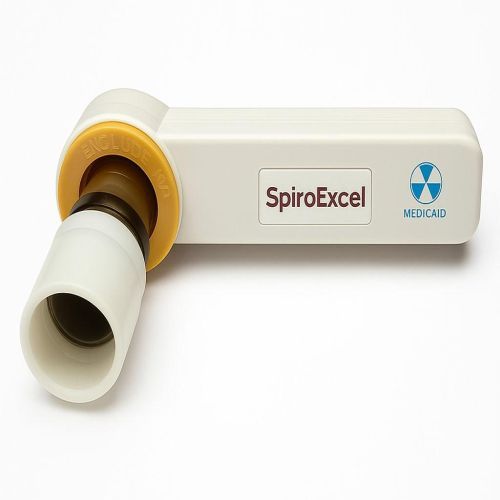
- Place a PC-based SPIROEXCELL in the pre-anaesthesia clinic.
- Train nurses or technicians in coaching and quality checks.
- Integrate reports into the pre-op record (PDF or e-mail).
- Use disposable filters. See hygiene practices.
Related reading
Contact us for a spirometry setup for your hospital.
Featured product
PFT Machine (PC-Based Spirometer)
USB PC-based spirometer with digital turbine and automatic interpretation. ₹35,000 – ₹50,000
Frequently Asked Questions
Does every surgical patient need spirometry?
No — it is used selectively based on clinical assessment and surgery type.
What about lung surgery?
Spirometry (often with diffusion testing) is central to risk assessment before lung resection.
How quickly can a test be done?
Spirometry takes about 15–30 minutes.
This article is for general information for healthcare buyers and professionals and is not medical advice. Clinical decisions should be made by qualified practitioners.