Cardiology
TMT (Treadmill Stress Test) Machine Guide for Hospitals
The treadmill stress test (TMT) is one of the most common cardiac investigations. It shows how the heart responds to exercise.
What a TMT measures
- 12-lead ECG changes, especially in the ST segment.
- Heart rate response.
- Blood pressure response.
- Exercise capacity (METs).
- Symptoms and arrhythmias.
Protocols
- Bruce protocol. Speed and incline increase every 3 minutes, starting at 1.7 mph and a 10% grade.
- Modified Bruce. A gentler start for older or less fit patients.
- Naughton. Smaller increments.
- User-defined protocols.
Indications
- Evaluation of chest pain.
- Risk assessment in known coronary disease.
- Exercise capacity and fitness assessment.
- Arrhythmia provoked by exercise.
Safety
- Screen for contraindications.
- Have a physician supervise.
- Keep a defibrillator, emergency drugs and oxygen ready.
- Use the patient safety harness and emergency stop.
- Have clear stopping criteria.
The TMT system
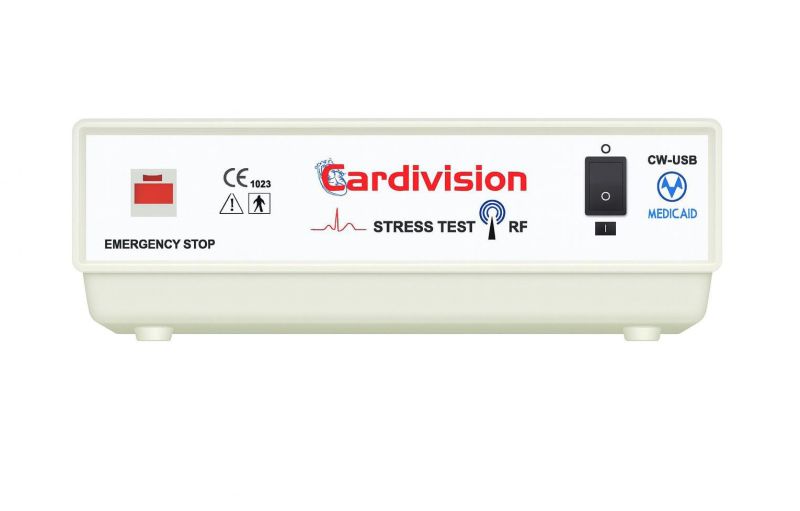
The CARDIOTRACK TMT-12 provides:
- 12-channel real-time ECG.
- Bruce, Naughton and custom protocols.
- Automatic ST analysis and arrhythmia detection.
- HR, BP and METs tracking.
- PC-based reports with HIS/LIS compatibility.
- CE and IEC 60601 approval.
- Price: ₹2.25–2.75 lakh.
Room setup
Space for the treadmill, couch, workstation and crash cart; ventilation; a stable power supply.
Featured product
12 Lead TMT Stress Test Machine
PC-based 12 lead treadmill stress test system with ST analysis. ₹2.25 lakh – ₹2.75 lakh
Frequently Asked Questions
Who should not have a TMT?
Clinicians screen for contraindications such as unstable angina, uncontrolled arrhythmias or severe aortic stenosis.
How long does the test take?
Typically under 15 minutes of exercise plus preparation and recovery.
Is a doctor required during TMT?
Yes — a trained physician should supervise.
This article is for general information for healthcare buyers and professionals and is not medical advice. Clinical decisions should be made by qualified practitioners.