Spirometry for Asthma and COPD: Diagnosis and Monitoring
Asthma and COPD are among the most common chronic diseases in India. Both are under-diagnosed, often because spirometry is not used enough.
Why spirometry matters
Symptoms such as cough, wheeze and breathlessness overlap with many conditions. Spirometry gives objective evidence of airflow obstruction and separates patterns that guide treatment.
Asthma
- Obstruction may come and go.
- A significant bronchodilator response supports the diagnosis.
- A normal test does not exclude asthma, so repeat testing or variability testing may be needed.
COPD
- Persistent airflow limitation, with post-bronchodilator FEV1/FVC below 0.70 (GOLD).
- Severity is graded by FEV1 % predicted.
- Risk factors include smoking, biomass fuel exposure and occupational dust, all relevant across India.
Monitoring
- Track FEV1 over time.
- Assess response to inhaled therapy.
- Detect accelerated decline.
- Guide pulmonary rehabilitation referrals.
Building a spirometry service
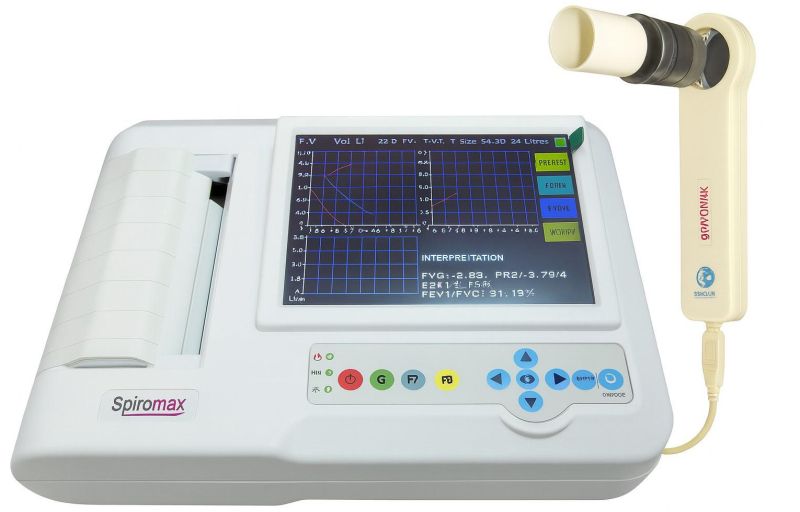
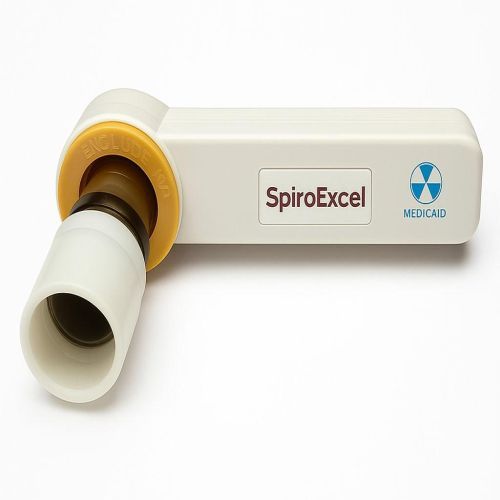
- Choose a spirometer. The SPIROEXCELL suits OPD use; the SPIROMAX suits camps.
- Train staff in coaching and quality criteria.
- Use suitable prediction equations. See Indian prediction equations.
- Use disposable filters and mouthpieces. See spirometer hygiene.
Read spirometry interpretation basics for reading reports.
PFT Machine (PC-Based Spirometer)
USB PC-based spirometer with digital turbine and automatic interpretation. ₹35,000 – ₹50,000
Frequently Asked Questions
Can COPD be diagnosed without spirometry?
Guidelines recommend spirometry to confirm COPD diagnosis.
Is a normal spirometry possible in asthma?
Yes — asthma is variable; repeat testing or other tests may be needed.
How often should COPD patients have spirometry?
Commonly at least yearly or as clinically indicated.
This article is for general information for healthcare buyers and professionals and is not medical advice. Clinical decisions should be made by qualified practitioners.