
rTMS Coils Explained: Figure-8, Circular, H-Coil and Double Cone
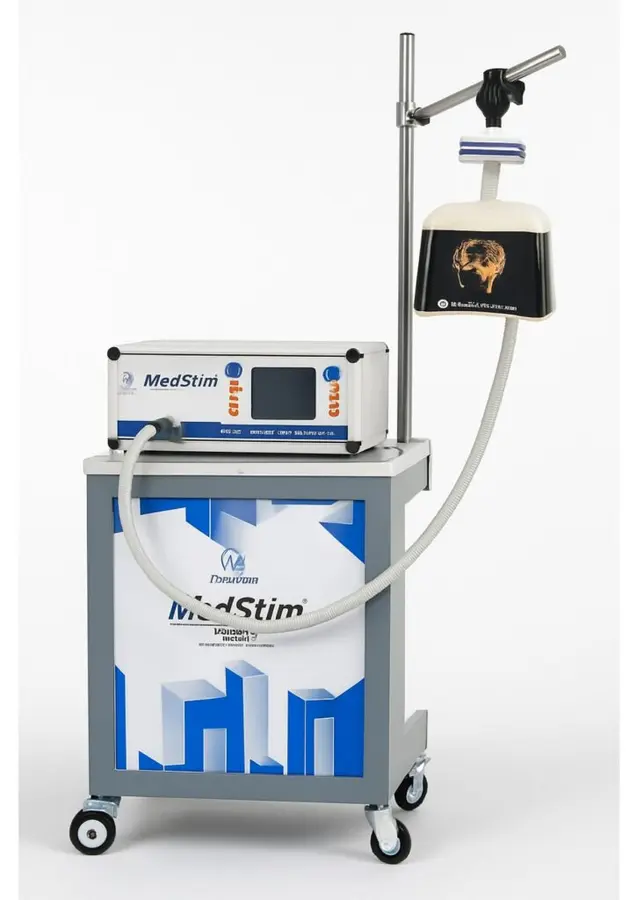
The coil determines where and how deeply rTMS stimulates. Choosing the right coils is as important as choosing the stimulator.
Figure-8 (butterfly) coil
Two circular windings side by side produce a focused field under their junction.
- Focality: high.
- Depth: superficial cortex.
- Uses: depression (left DLPFC), motor mapping, most research.
Angled butterfly coil
A figure-8 coil with the wings angled to fit the head’s curve, which gives slightly deeper penetration. It is supported on the MS-50.
Circular coil
A single winding stimulates a broad area.
- Focality: low.
- Uses: peripheral stimulation and some research protocols.
H-coil
Complex windings designed for deeper, broader stimulation.
- Depth: deeper than figure-8.
- Uses: deep TMS for depression and OCD.
Double-cone coil
Two large wings angled at about 95–100°, which produce deeper stimulation.
- Uses: deeper midline targets such as the leg motor area and the medial prefrontal cortex.
Comparison
| Coil | Focality | Depth | Typical use |
|---|---|---|---|
| Figure-8 | High | Superficial | Depression, mapping |
| Angled butterfly | High | Slightly deeper | Depression, research |
| Circular | Low | Moderate | Peripheral, research |
| H-coil | Moderate | Deep | Deep TMS (depression, OCD) |
| Double cone | Moderate | Deep | Midline/deep targets |
The MS-100 supports figure-8, circular, H-coil and double-cone coils.
Coil care
- Handle coils carefully and never drop them.
- Check cables for damage.
- Let coils cool as the system indicates.
- Clean surfaces between patients.
Planning OCD or research protocols? Talk to us about the right coil set.
rTMS Machine MS-100
Flagship rTMS — up to 100 pps, H-coil and double-cone support. ₹20 lakh – ₹24 lakh
Frequently Asked Questions
Which coil is used for depression?
A figure-8 coil over the left DLPFC is most common; H-coils are also used for deep TMS.
Do coils overheat?
Coils warm with use; temperature monitoring and cooling manage this.
Can I add coils later?
Usually yes, if the stimulator supports the coil type.
This article is for general information for healthcare buyers and professionals and is not medical advice. Clinical decisions should be made by qualified practitioners.


