
Computerised ECT vs Standard Brief Pulse ECT: Which to Buy?
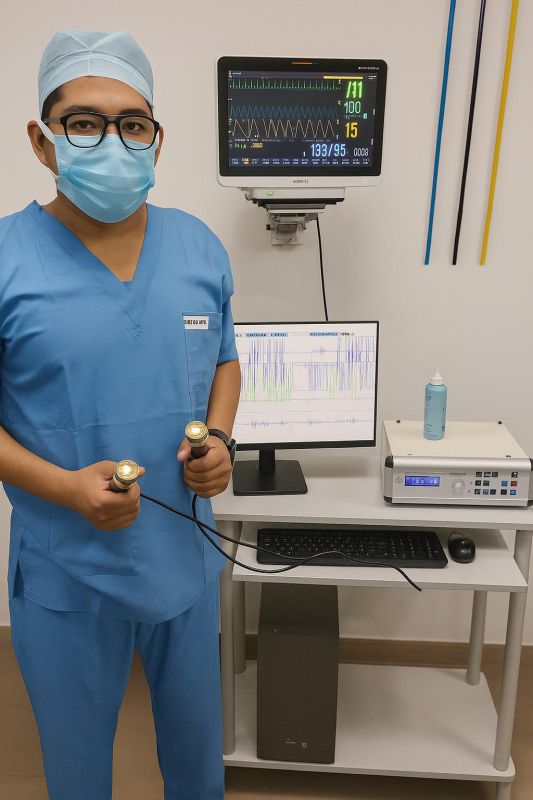
Both types deliver modern brief pulse ECT. The difference lies in monitoring, documentation and how well they suit teaching.
Standard brief pulse ECT
Examples are the MEDICA BPE-591 and BPE-791.
- Compact and portable (2–3 kg).
- Digital bi-directional square-wave pulses.
- Auto and manual modes and an impedance check.
- The BPE-791 adds 2-channel EEG/ECG and a printer.
- Price: ₹84,000 – ₹2.24 lakh (incl. GST).
Computerised ECT
An example is the MEDICA computerised 5-channel ECT.
- 5-channel synchronised EEG, ECG and EMG.
- An optical motion sensor for seizure monitoring.
- Customisable treatment parameters.
- Data storage, reporting and long-term archiving.
- Price: ₹4 – 5 lakh (ex-GST).
Comparison
| Factor | Standard | Computerised |
|---|---|---|
| Seizure monitoring | Basic / 2-ch (791) | Full EEG/ECG/EMG + motion |
| Documentation | Printout | Digital records and reports |
| Teaching value | Moderate | High |
| Research use | Limited | Strong |
| Footprint | Very small | Unit + PC |
| Cost | Lower | Higher |
Who should choose which
- Private psychiatry clinics and nursing homes: standard brief pulse ECT.
- Medical colleges and teaching hospitals: computerised ECT, which records every session for teaching and audit.
- Defence and government hospitals with high volume: computerised ECT.
Computerised systems we supplied are used at institutions including Command Hospital (Eastern Command) Kolkata and AIIMS Kalyani.
See also ECT seizure monitoring and the ECT price guide.
Computerised ECT Machine
5-channel PC-based brief pulse ECT with EEG, ECG and EMG monitoring. ₹4 lakh – ₹5 lakh
Frequently Asked Questions
Does computerised ECT deliver a different stimulus?
It delivers brief pulse stimulation like standard units, with broader parameter ranges and richer monitoring.
Is a PC required?
Yes for computerised systems; a UPS is recommended.
Can I upgrade later?
You would typically purchase a computerised unit separately; plan ahead if you expect growth.
This article is for general information for healthcare buyers and professionals and is not medical advice. Clinical decisions should be made by qualified practitioners.


