Sleep-Deprived EEG: Preparation and Protocol Basics

A sleep-deprived EEG is one of the simplest ways to increase the diagnostic value of EEG. Drowsiness and sleep often bring out epileptiform discharges that a routine awake recording misses.
Why it works
Sleep deprivation and the transition into sleep change cortical excitability. In many epilepsies, especially some generalised and focal syndromes, discharges become more frequent in drowsiness and light sleep.
Patient preparation (follow the doctor’s instructions)
- Reduce sleep the night before as advised. Protocols range from partial to full-night deprivation, and children usually have shorter protocols.
- Avoid caffeine and energy drinks on the morning of the test.
- Wash the hair the night before and do not use oil or gel.
- Take regular medicines unless the doctor says otherwise.
- Bring a companion. Do not drive to or from the test.
Recording protocol
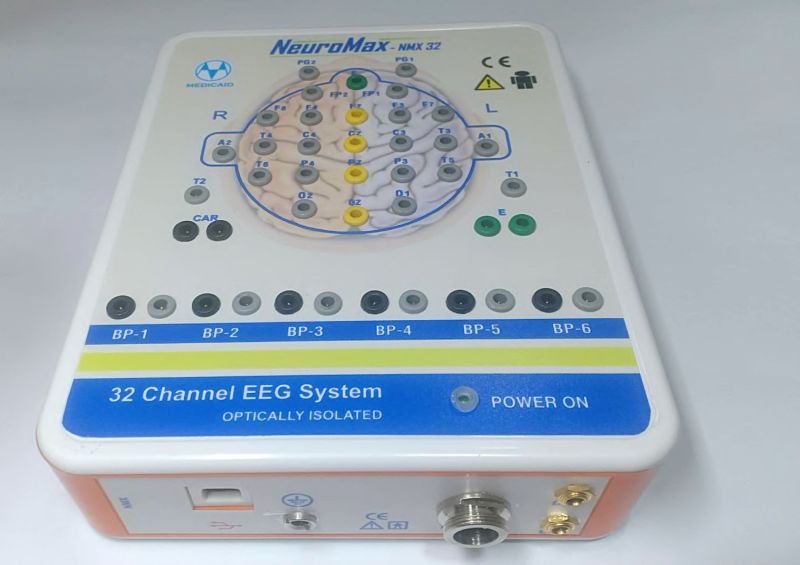
- Apply electrodes using the 10-20 system and check impedance.
- Record an awake baseline with eyes open and closed.
- Perform hyperventilation and photic stimulation, if not contraindicated.
- Dim the lights and allow drowsiness and sleep, aiming to capture stage 1–2 sleep.
- Annotate sleep stages, arousals and events.
- Record for long enough to capture sleep. The duration is often longer than a routine EEG.
Safety considerations
Sleep deprivation can lower the seizure threshold. Keep the bed rails up, have suction and oxygen available, and make sure staff know your seizure protocol. Observe patients until they are fully alert.
Equipment tips
A comfortable recliner, a quiet dark room and a reliable amplifier are essential. Portable units such as the 24 channel EEG work well, and video EEG adds the ability to correlate events.
Need help setting up protocols for your lab? RS Enterprises provides technician training with every installation. Contact us.
24 Channel EEG Machine
Ultra-portable 24 channel EEG for ICU, bedside and clinic use. ₹1.1 lakh – ₹1.35 lakh
Frequently Asked Questions
How much sleep deprivation is needed?
Protocols vary — partial or full night deprivation as advised by the referring doctor; children often have adjusted protocols.
Can the patient drive home?
No. Patients should not drive after a sleep-deprived EEG.
Should medicines be stopped?
Never stop anti-seizure medicines unless the doctor explicitly says so.
This article is for general information for healthcare buyers and professionals and is not medical advice. Clinical decisions should be made by qualified practitioners.