
Equipping a De-Addiction and Rehabilitation Centre: Checklist
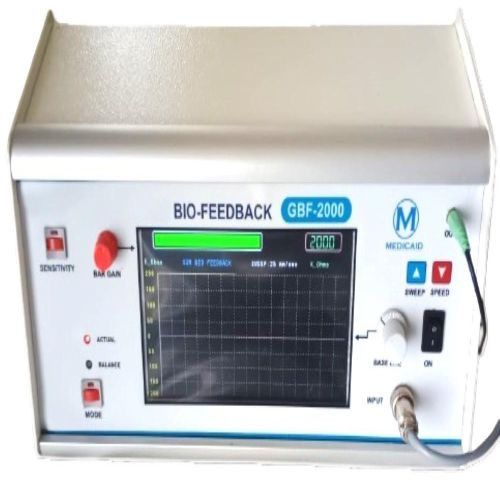
A de-addiction and rehabilitation centre needs medical safety, therapeutic tools and a supportive environment. Use this checklist to plan your equipment.
Medical and safety essentials
- Multi-parameter monitors (BP, SpO2, ECG).
- A glucometer and basic lab tests or tie-ups.
- An emergency trolley with oxygen, suction and resuscitation equipment.
- An ECG machine for baseline cardiac checks. See the 3 channel ECG.
Therapy and adjunct equipment
| Equipment | Role |
|---|---|
| Biofeedback (GSR, EMG, respiration) | Teaches relaxation and stress control |
| PC-based 6-channel biofeedback | Multi-signal therapy and reporting |
| MBT behaviour therapy machine | EST, polariser and other behaviour modules |
| tDCS | Adjunct neuromodulation (research and clinical use) |
Counselling and group spaces
- Individual counselling rooms.
- A group therapy hall.
- A family meeting space.
- Activity and recreation areas.
Staffing
Psychiatrist, clinical psychologist, counsellors, nurses and social workers, plus trained staff for therapy equipment.
Documentation and compliance
- Admission consent and treatment plans.
- Progress notes and outcome measures.
- Compliance with the Mental Healthcare Act 2017 and local registration requirements.
Equipment training
RS Enterprises provides installation and training for biofeedback, MBT and tDCS systems. Read what is biofeedback therapy and the MBT machine guide.
Request a package quotation for your centre.
Digital Biofeedback Machine
Portable single-parameter biofeedback units — GSR, EEG, EMG, pulse, respiration, ECG. ₹75,000 – ₹86,000
Frequently Asked Questions
Is biofeedback useful in de-addiction?
It is used to teach relaxation and stress management, which supports relapse prevention.
Do I need ECT in a de-addiction centre?
Usually not, unless the centre also manages severe psychiatric illness.
What documentation is required?
Consent, treatment plans, progress notes and compliance with applicable regulations.
This article is for general information for healthcare buyers and professionals and is not medical advice. Clinical decisions should be made by qualified practitioners.


