
ECT in Catatonia and Severe Depression: When Psychiatrists Use It
Psychiatry has many treatments, but in some situations ECT is uniquely valuable because it can work quickly and reliably.
Catatonia
Catatonia, with its immobility, mutism, posturing and refusal to eat or drink, can become life-threatening. Benzodiazepines are often tried first. ECT is highly effective when catatonia is severe, malignant or does not respond to medication.
Severe and psychotic depression
ECT is considered when depression is:
- Accompanied by psychotic features.
- Associated with high suicide risk.
- Causing refusal of food or fluids.
- Resistant to several medication trials.
Other indications
- Severe mania not responding to medication.
- Some cases of treatment-resistant schizophrenia, often combined with medication.
- Patients who responded well to ECT before.
The course
- Typically 2–3 sessions per week.
- The total number depends on response.
- Maintenance or continuation ECT may follow in selected patients.
Safety and consent
Modified ECT under anaesthesia and muscle relaxation, informed consent and compliance with the Mental Healthcare Act 2017 are essential. See myths vs facts about ECT.
Equipment for psychiatry units
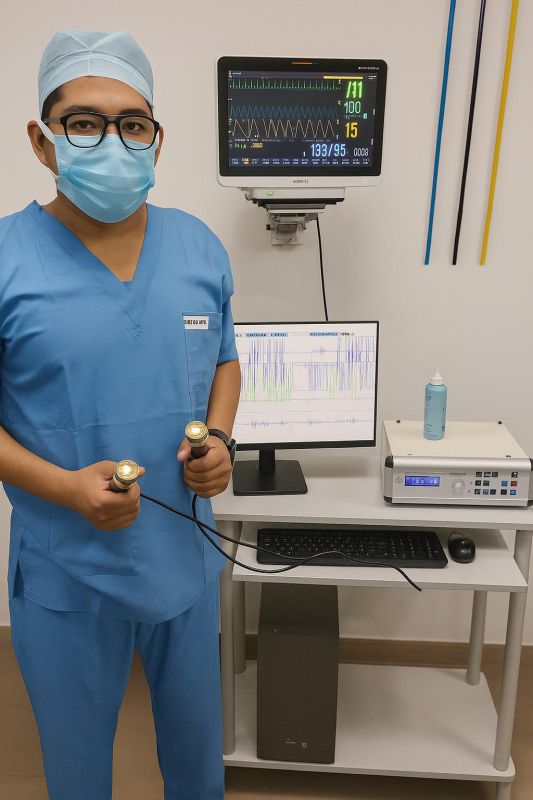
- High-acuity hospitals and teaching units: computerised ECT with EEG/ECG/EMG monitoring and archiving.
- Smaller units: brief pulse ECT (BPE-591 or BPE-791).
Our systems are installed at Command Hospital Kolkata, AIIMS Kalyani, Guwahati Medical College and Military Hospital Beltola. Contact us to equip your unit.
Computerised ECT Machine
5-channel PC-based brief pulse ECT with EEG, ECG and EMG monitoring. ₹4 lakh – ₹5 lakh
Frequently Asked Questions
How quickly does ECT work?
Many patients improve within a few sessions, though full courses are usually needed.
Is ECT used in pregnancy?
It can be considered with specialist input when benefits outweigh risks.
What is maintenance ECT?
Periodic sessions after a course to prevent relapse in selected patients.
This article is for general information for healthcare buyers and professionals and is not medical advice. Clinical decisions should be made by qualified practitioners.


