Physiology
Digital vs Analog Physiograph: Why Labs Are Upgrading
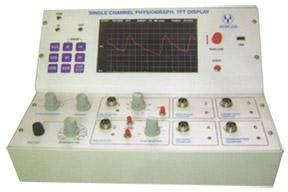
Many physiology departments still run older analogue physiographs with pen-writers and paper charts. Digital systems bring clear benefits.
Analogue limitations
- Ink, pens and chart-paper consumables.
- Mechanical wear and frequent repairs.
- Difficult to store and analyse recordings.
- Limited accuracy in measurement.
Digital advantages
- TFT display with adjustable sweep speeds.
- Digital storage for review and records.
- Software analysis for precise measurements.
- Lower running costs, with no ink or chart paper.
- USB PC connectivity for printing and reports.
- Better teaching, since recordings can be replayed and discussed.
Comparison
| Factor | Analogue | Digital |
|---|---|---|
| Recording | Pen on paper | Screen + storage |
| Consumables | Ink, paper | Minimal |
| Analysis | Manual | Software |
| Maintenance | High | Low |
| Teaching value | Moderate | High |
Upgrade path
- Replace student units with single-channel digital physiographs.
- Add a 3 channel physiograph for multi-signal practicals.
- Use a 4 channel digital polygraph for demonstrations and research.
Contact us for an upgrade plan and trade-in discussion.
Featured product
Student Digital Physiograph (Single Channel)
Single channel student physiograph, expandable to 2–3 channels. ₹90,000 – ₹1 lakh
Frequently Asked Questions
Can old transducers be reused?
Sometimes, if compatible — check with the supplier.
Do digital systems still print?
Yes, via PC printers when needed.
Is training needed for faculty?
A short training session is usually enough.
This article is for general information for healthcare buyers and professionals and is not medical advice. Clinical decisions should be made by qualified practitioners.